News/Blogs
The GLP-1 Landscape Is Shifting — What It Means for Self-Insured Health Plans
The conversation around the GLP-1 landscape has moved far beyond clinical innovation. For self-insured employers and plan sponsors, the discussion is now centered on one critical question: How do you balance member access with sustainable pharmacy costs in a rapidly changing market?
The answer isn’t simple — and right now, the landscape is evolving faster than at any point since these medications entered mainstream use.
From new government initiatives to oral medications, direct-to-consumer programs, and increased competition, multiple forces are simultaneously reshaping the GLP-1 market. For employers managing pharmacy benefits, this creates both opportunity and uncertainty.
A Market Under Pressure: Prices, Competition, and Policy
Several converging trends are putting downward pressure on GLP-1 pricing — or at least signaling potential change:
- Government initiatives such as TrumpRx, which promote direct purchasing at reduced cash prices
- Most Favored Nation–style pricing discussions, increasing transparency expectations
- Manufacturer discount programs and direct-to-consumer channels
- Growing competition among pharmaceutical companies
- Pipeline innovation and new delivery formats
While headlines often suggest dramatic price reductions, the real impact on employer-sponsored plans is still unclear. Experts note that many negotiated commercial prices were already lower than list prices, making it difficult to measure true savings.
The GLP-1 Pill: Expanding Access — and Potential Utilization
The arrival of oral GLP-1 medications marks a major milestone.
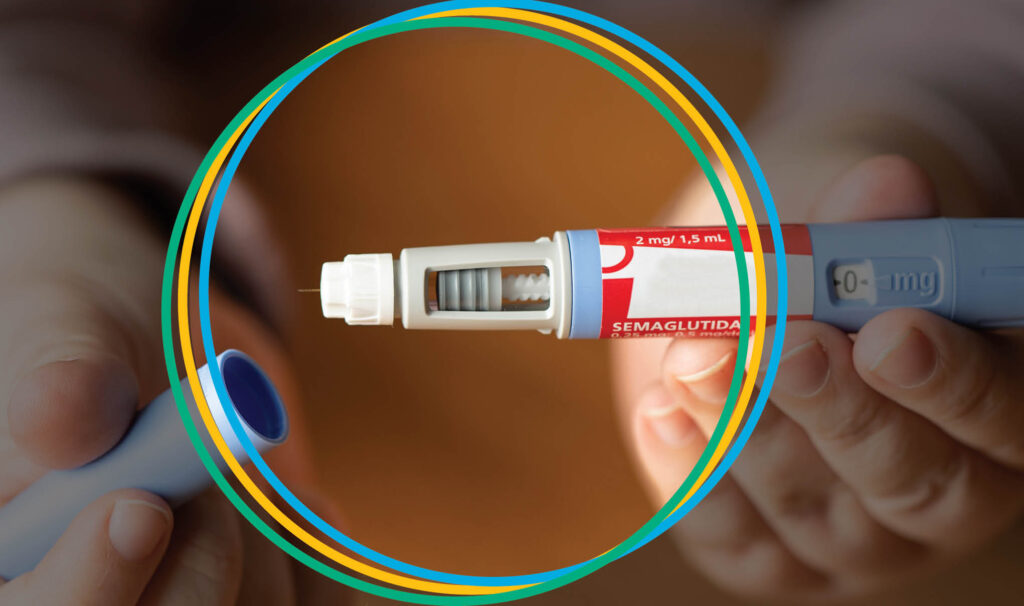
The first GLP-1 pill for weight management has already launched, with additional oral options expected soon. Analysts anticipate that pills could significantly expand the eligible population by removing barriers such as injection requirements and refrigeration.
For employers, that creates a paradox. On one hand, oral GLP-1 options can improve access and adherence for individuals who were hesitant about injections or had trouble storing injectable medications.
At the same time, easier access could drive higher utilization, which may increase overall costs for employer plans. The long-term cost impact remains uncertain, as increased demand could offset any potential savings from lower-priced oral medications.
Employer advisors are already warning that oral GLP-1 options may increase demand even if pricing improves. In other words, lower unit cost does not automatically mean lower total spend.
Pharma Competition Is Intensifying
The GLP-1 market has become one of the most competitive therapeutic categories in healthcare. However, competition cuts both ways. Consolidation could also strengthen pricing power if fewer manufacturers dominate the space.
For employers, the timing of competition matters just as much as its existence.
Direct-to-Consumer Models and Employer Strategy
One of the most disruptive changes is the rise of direct-to-consumer (DTC) GLP-1 programs, including:
- Manufacturer direct purchasing programs
- Employer direct contracting models
- Government-supported platforms like TrumpRx
- Telehealth prescribing channels
- Pharmacy-integrated affordability programs
These models are changing expectations around transparency and net pricing. Employers increasingly expect their pharmacy benefit costs to be competitive with DTC pricing options.
For self-insured plans, this introduces new strategic questions:
- Should GLP-1 coverage remain within the traditional pharmacy benefit?
- Should alternative access programs be offered?
- How should employer subsidies be structured?
- How do you maintain clinical oversight while improving affordability?
There is no single correct answer — only strategies aligned to employer goals.
The Compounding Pharmacy Factor: Access vs. Safety
Compounded GLP-1 medications have surged in demand and cost, but regulators are beginning to intervene.
The FDA has announced plans to tighten oversight of active ingredients used in compounded GLP-1 drugs, raising questions about safety, quality, and long-term access. Concerns include dosing errors, unverified ingredients, and the lack of FDA-approved pathways, which could disrupt patient access if restrictions increase.
For employers, this highlights the importance of maintaining safe supply channels and ensuring clinical oversight. Pharmacy benefit management strategies must prioritize quality and safety, especially as the regulatory environment evolves.
Employer Reality: Costs Are Still Rising

Even with pricing pressure and competition, GLP-1 medications remain a major cost driver.
Employers are seeing increased utilization rates, significant growth in pharmacy spend, and ongoing uncertainty about long-term ROI. There are also concerns about treatment duration, adherence, and whether these medications will lead to meaningful medical cost offsets over time.
Many organizations are implementing utilization controls, clinical criteria, and lifestyle program integration to manage spending while maintaining access.
The core challenge remains unchanged: Provide meaningful health benefits without destabilizing plan costs.
Transparency and Rebates: A Changing Conversation
Another major shift is the growing scrutiny of rebate-driven pricing models. Employers want to know the true net cost of these medications, whether rebates align with clinical value, and whether direct pricing models could reduce complexity.
As transparency initiatives expand, pharmacy benefit strategies may move toward simpler pricing structures with fewer hidden incentives.
What Comes Next?
One of the most important messages for employers right now is that there is no final answer yet.
Key unknowns remain:
- Will government initiatives meaningfully reduce employer costs?
- How quickly will competition lower prices?
- Will oral GLP-1 medications increase utilization dramatically?
- How will coverage policies evolve?
- What long-term medical savings will emerge?
The GLP-1 market is still in an early phase of maturation.
Why Flexibility Matters More Than Ever
In a rapidly changing environment, rigid strategies create risk. At Serve You Rx, our clinical and pharmacy experts continuously monitor market pricing shifts, regulatory developments, manufacturer programs, pipeline innovation, and employer utilization trends.
Because we maintain formulary flexibility and independent decision-making, we can adjust strategies — even mid-year — when new information emerges.
This flexibility allows employers to protect budgets, improve member access, adapt coverage policies, and capture savings opportunities sooner.
The Bottom Line for Self-Insured Employers
The GLP-1 landscape is evolving toward greater competition, more access pathways, increased transparency expectations, ongoing cost pressure, and a continued sense of strategic uncertainty.
Employers don’t need a perfect prediction. They need a partner that can evolve with the market.
Give your clients the insights they want.
Fill out the form below, and discover the Serve You Rx difference.
About Serve You Rx®
Serve You Rx is a full-service pharmacy benefit manager (PBM) with unquestionable flexibility and an unwavering commitment to doing what’s best for its clients. With a fervent focus on those it serves, including insurance brokers, consultants, third-party administrators, and their clients, Serve You Rx delivers exceptional service and tailored, cost-effective benefit solutions. Independent and privately held for nearly 40 years, Serve You Rx can implement new groups in 30 days or less and say “yes” to a wide variety of viable solutions. Known for its adaptability, quality, and client-centricity, Serve You Rx aims to be a benchmark for better client service.